The APOL1 Gene: Not Just a Typo — It’s a warning

When most people hear the word “gene,” they picture something complicated, like a diagram buried in a science textbook. Genes are simple at their core; they are just instructions your body uses to keep everything running. They tell your cells how to work, when to grow, and what to do. Sometimes, those instructions change slightly. Even a small change can make a big difference.

One gene that has been getting a lot of attention lately is called APOL1. At first glance, it looks like a typo or some random mix of letters and numbers. But it is not random at all. For millions of people, especially those with African ancestry, this gene can significantly impact kidney health.

So, let’s break it down in a way that makes sense.

What is the APOL1 gene?

The APOL1 gene is responsible for making a protein called apolipoprotein L1. You don’t need to remember that name  what matters is what it does. This protein helps your body fight off certain parasites, including those responsible for African sleeping sickness. That disease is spread by tsetse flies in parts of Africa and has historically been a major threat. Because of that, certain versions of the APOL1 gene became more common over time. They helped people survive.

In a way, this gene has a protective history. It’s part of how the body adapted to dangerous environments. But here’s where it gets complicated: the same versions of the gene that helped protect people in the past can increase the risk of kidney disease today. It’s one of those classic biology trade-offs something that’s helpful in one situation can be harmful in another.

The “risk variants” people talk about

Scientists have identified two specific versions of the APOL1 gene that are linked to kidney problems. These are usually called G1 and G2.

If you have just one copy of one of these variants, it usually doesn’t cause any issues. Many individuals have one and never even know it. But if you inherit two risk variants, one from each parent, your chances of developing certain kidney diseases go up.

That can include:

That said, it’s important to understand this: having two risk variants does not mean you’re guaranteed to get kidney disease. It just increases the risk compared to someone without them.

Think of it more like a warning sign, not a diagnosis.

Why this matters more for people of African ancestry

The APOL1 risk variants are most commonly found in people with West African ancestry. That goes back to the protective effect against sleeping sickness those gene versions helped people survive, so they were passed down through generations.

Today, those variants are still present in many populations across the African diaspora, including African Americans and Afro-Caribbean communities. In the United States, it’s estimated that about 13% of African Americans have two APOL1 risk variants. This matters because African Americans are already more likely to develop kidney disease than other groups. The APOL1 gene doesn’t explain everything, but it helps fill in part of the picture.

At the same time, it’s not just about genetics. Factors like access to healthcare, high blood pressure, diabetes, diet, stress, and environmental conditions all play a major role. The gene is just one piece of a much bigger puzzle.

Why doctors and researchers are paying attention

One of the biggest challenges with kidney disease is that it often develops quietly. You can lose a lot of kidney function before you even notice symptoms. That is why researchers are so interested in APOL1,it could help identify people who are at higher risk before serious damage happens.

Right now, scientists are trying to answer a few key questions:

There’s also growing interest in how APOL1 affects kidney transplants. Some studies suggest that kidneys from donors who have two risk variants may not function as long after transplant. Because of that, researchers are exploring whether genetic testing could help improve transplant outcomes.

This is still an evolving area, but it shows how genetics is starting to influence real medical decisions.


A shift toward more personalized medicine

The attention around APOL1 is part of a bigger shift in healthcare called precision medicine. Instead of treating everyone the same way, doctors are starting to consider individual differences including genetics.

In the future, understanding your APOL1 status could lead to:

There are already clinical trials underway looking at drugs that target the APOL1 pathway directly, which is a significant step forward. It’s still early, but this is the direction medicine is heading.

So no, it’s not just a typo

APOL1 might look like a random label, but behind it is a story that connects history, biology, and modern health. It’s a reminder that our DNA carries traces of the past  including adaptations that once helped people survive. But in today’s environment, those same traits can sometimes have different effects.

Still, having this gene doesn’t define your future. It’s better to think of it as useful information, something that can help guide decisions, raise awareness, and potentially lead to earlier care.

As research continues, the hope is that understanding APOL1 will lead to better treatments, better prevention, and better outcomes for the communities most affected. The key takeaway is this: sometimes something that looks small or confusing, like a string of letters, can end up telling a very important story.


Understanding the pumping power of your heart: HFrEF vs HFpEF.

Hearing that you or a loved one has “heart failure” can feel overwhelming. It is a term that sounds frightening, but it does not mean the heart has stopped working. Instead, it means the heart is not pumping blood as well as it should.

At our clinical research site, we talk with many patients who are trying to make sense of their diagnosis. One of the most common questions we hear is: “What kind of heart failure do I have, and what does that mean for me?”

Two of the most common types are HFrEF and HFpEF. These names can sound technical, but the difference between them is easier to understand than it seems. Let us walk through it together in a simple, clear way.

Understanding Ejection Fraction (EF)
Your heart’s main job is to move blood throughout your body. It fills with blood, then squeezes to push that blood out, and repeats this process every second of the day.

Doctors use a measurement called ejection fraction (EF) to see how well your heart is pumping. It tells us what percentage of blood is pushed out of the heart with each beat.

This number helps doctors figure out which type of heart failure a patient has.

HFrEF: The Weak Squeeze
HFrEF stands for Heart Failure with reduced Ejection Fraction. In this type, the heart muscle has become weak and cannot squeeze hard enough.

Imagine trying to squeeze water out of a sponge, but the sponge is worn out and floppy. No matter how hard you try, it just does not push much water out. That is like what happens in HFrEF; the heart cannot pump blood forward effectively.

Some common reasons include:

People with HFrEF often notice:

There are several well-studied medications and devices that can help the heart work better, improve symptoms, and even help people live longer. Many patients feel significantly better once treatment is started and adjusted properly.

HFpEF: The Stiff Fill
HFpEF stands for Heart Failure with preserved Ejection Fraction. In this case, the heart’s squeezing strength looks normal, but there is still a problem.

Think of a balloon that has become stiff. You can still squeeze it, but it is harder to fill it up in the first place. That is what happens in HFpEF; the heart does not relax well enough to fill with blood before the next squeeze. So even though the percentage being pumped out looks normal, the total amount of blood moving through the body may still be too low.

What causes this?
HFpEF is often linked to other health conditions, such as:

What symptoms might you notice?
Interestingly, the symptoms can feel almost the same as HFrEF:

This can make it confusing, and many patients are surprised to learn they have heart failure even though their “pump strength” seems normal.

Comparing the Two Types
Here is a simple way to think about it:

Both affect how blood moves through your body, just in different ways.

Tailoring Your Treatment
Understanding which type of heart failure you have helps your care team choose the best treatment plan.

In both cases, your symptoms, lifestyle, and overall health all play a role in your care.

Research and Hope for the Future
At our site, we are involved in clinical research studies that aim to improve how heart failure is treated. Many of today’s medications exist because patients chose to participate in research.

Right now, there is a strong focus on:

For patients, participating in a study can sometimes offer access to new therapies while also helping others in the future.

Living Well Day-to-Day
No matter the type—HFrEF or HFpEF—many patients share similar day-to-day challenges:

If this sounds familiar, you are not alone. These experiences are very common, and they are exactly why ongoing care and support matter so much.

Simple Habits That Help
While medical treatment is important, there are also everyday habits that can help you feel better and stay stable:

Even small, consistent steps can make a meaningful difference over time.

Final Thoughts
Heart failure can sound like a scary diagnosis but understanding it is the first step toward taking control.

Whether it is HFrEF (a weaker pump) or HFpEF (a heart that does not relax well), both conditions are manageable with the right care, support, and guidance.

At our clinical research site, we are here not just to study these conditions, but to support the people living with them every day. If you ever have questions about your diagnosis, treatment options, or research opportunities, do not hesitate to ask.

You deserve to understand your health and to feel confident in the care you are receiving.


Low Iron. Weak heart. Real consequences

Iron is often associated with energy, strength, and vitality, but its role in the body goes far deeper than simply preventing fatigue. When iron levels drop too low, the consequences can ripple throughout the entire body, including one of its most vital organs: the heart. While many people think of iron deficiency as a minor nutritional issue, the truth is far more serious. Low iron can weaken the heart, disrupt oxygen delivery, and lead to long-term health complications if left unaddressed.

At the center of this issue is iron’s essential role in producing hemoglobin, the protein in

red blood cells are responsible for carrying oxygen from the lungs to the rest of the body. Without enough iron, the body cannot produce sufficient healthy red blood cells, leading to a condition known as iron deficiency anemia. This means tissues and organs, including the heart, receive less oxygen than they need to function properly.

The heart, as the body’s central pump, is especially sensitive to changes in oxygen levels. When oxygen delivery is compromised, the heart must work harder to compensate. It increases its rate and force of contraction in an attempt to circulate the limited oxygen supply more efficiently. Over time, this extra workload can place significant strain on the heart muscle.

In the early stages, the symptoms of low iron may seem mild or easy to ignore. Fatigue, weakness, dizziness, and shortness of breath are common signs. Many people dismiss these as stress, lack of sleep, or a busy lifestyle. However, as iron levels continue to decline, symptoms can become more severe. Heart palpitations, chest discomfort, and even fainting may occur as the cardiovascular system struggles to keep up.

One of the most concerning consequences of prolonged iron deficiency is its impact on heart structure and function. Chronic low oxygen levels can lead to an enlarged heart, a condition known as cardiomegaly. This occurs because the heart muscle thickens or stretches in response to the increased workload. While this may initially help the heart pump more effectively, it is not a sustainable solution. Over time, it can lead to heart failure, a condition in which the heart can no longer pump blood efficiently.

Additionally, iron deficiency has been linked to worsening outcomes in individuals who already have heart disease. For patients with conditions such as heart failure, low iron levels can further reduce exercise tolerance, increase hospitalizations, and decrease overall quality of life. In these cases, iron is not just a nutrient; it becomes a critical component of disease management.

Certain groups are at higher risk for iron deficiency and their cardiovascular effects. Women of reproductive age, particularly those with heavy menstrual cycles, are especially vulnerable. Pregnant individuals also have increased iron needs to support

both their own bodies and the developing fetus. Additionally, people with chronic illnesses, gastrointestinal disorders, or dietary restrictions (such as vegetarian or vegan diets without proper planning) may struggle to maintain adequate iron levels.

The good news is that iron deficiency is both preventable and treatable. The first step is awareness, recognizing the symptoms, and understanding the risks. A simple blood test can measure iron levels and help diagnose anemia. From there, treatment may include dietary changes, oral iron supplements, or in more severe cases, intravenous iron therapy.

Diet plays a key role in maintaining healthy iron levels. Iron-rich foods include red meat, poultry, fish, beans, lentils, tofu, spinach, and fortified cereals. It is also important to consider how iron is absorbed. Vitamin C can enhance iron absorption, so pairing iron-rich foods with sources of vitamin C such as citrus fruits, tomatoes, or bell peppers can be beneficial. On the other hand, substances like calcium, tea, and coffee can inhibit iron absorption if consumed in large amounts alongside iron-rich meals.

However, it is important to approach supplementation with care. Taking iron unnecessarily or in excessive amounts can lead toxicity and other complications. This is why it is essential to consult a healthcare provider before starting any supplementation regimen.

Ultimately, the connection between low iron and heart health is a powerful reminder that even small imbalances in the body can have far-reaching effects. What may begin as a simple deficiency can evolve into a serious cardiovascular concern if ignored. The heart depends on oxygen, and oxygen depends on iron it is a chain that cannot afford to be broken.

Taking proactive steps to monitor and maintain iron levels is not just about preventing fatigue; it is about protecting the heart and preserving long-term health. By listening to the body, seeking medical guidance when needed, and making informed nutritional choices, individuals can reduce their risk and support both their energy levels and cardiovascular well-being.

Low iron may seem like a quiet issue, but its impact can be loud and life-altering. A weak heart is not just a metaphor it can be a direct consequence. And with awareness, prevention, and proper care, it is a consequence that can often be avoided

Lp(a): The Overlooked Heart Risk You Shouldn’t Ignore

You can’t control your genes, but you can control your awareness and overall risk. Knowing your Lp(a) level may give you an important edge in protecting your long-term cardiovascular health.

What is Lp(a)? What do we know about this "silent killer?"


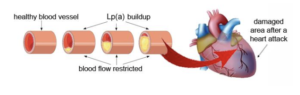
Lipoproteins transport fats (lipids), such as cholesterol and triglycerides, and proteins through the bloodstream. Lp(a) is similar to LDL cholesterol (the "bad" kind) but has an additional protein called apolipoprotein(a) attached to it. This unique protein structure can cause Lp(a) to accumulate in the walls of the arteries and form plaques, which can narrow and block blood vessels.

Why Does Lp(a) matter?

Lp(a) levels are determined mainly by genetics, meaning some people are inherently more likely to have higher levels than others. It is important to be aware of this risk because high levels of Lp(a) have been linked to an increased risk of heart disease, stroke, and other cardiovascular problems.

"Recent studies have shown that in people who have strong family histories of early heart disease, even if their standard lipid panel is normal, it's important to have Lp(a) checked because that can convey hidden risk for heart disease."


Why You Probably Haven’t Heard of It ?

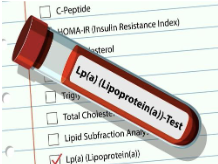
A blood test can tell you your Lp(a) level. However, a healthcare provider may need to make a special request for this test, as it is not part of a standard lipid panel that checks the kinds of cholesterol everyone talks about.

Why would a provider want to check my lipoprotein (a) level?

A provider may want to check your Lp(a) level if you already have other factors that put you at a high risk for heart disease. These factors may include:

How can I control Lp(a) risk ? 

Lp(a) levels cannot be lowered by healthy eating and exercising alone. Lipoprotein apheresis is the only therapy approved by the Food and Drug Administration (FDA) for treating high Lp(a) levels, and it is currently only approved for people with FH who have LDL ≥100 mg/dL, Lp(a) ≥60 mg/dL, and coronary or other artery disease. Apheresis is a treatment—similar to dialysis—in which a machine removes Lp(a) and LDL cholesterol from the blood.

If you have high Lp(a) levels, you should take steps to lower your LDL cholesterol if it is elevated. Some studies suggest that medications called statins might raise Lp(a) levels, but statins are still recommended due to their proven effects in lowering LDL cholesterol and reducing the risk of heart attacks, strokes, and peripheral arterial disease. If you have FH, coronary artery disease, or peripheral arterial disease, your healthcare provider might also recommend a medication called a PCSK9 inhibitor to further lower your LDL level. While a healthy lifestyle will not lower Lp(a) levels directly, it does impact LDL levels and overall cardiovascular risk. Therefore, people with high Lp(a) should maintain a healthy weight, not smoke, choose healthy foods and drinks, and get regular physical activity. Managing conditions such as diabetes and high blood pressure is also critically important for people with high Lp(a).

Advancement and developments (Clinical Research on Lp(a) : 

Clinical research studies are currently being conducted to better understand Lp(a) and to evaluate investigational approaches aimed at lowering Lp(a) levels.

These investigational therapies are not yet approved for general use. Their safety and effectiveness are still being studied.

Clinical Trial Participation

Participation in a clinical research study is voluntary. Individuals who qualify may be invited to take part in research that could include:

Participation may involve potential risks, inconveniences, or side effects, which will be explained during the informed consent process.

There is no guarantee of direct medical benefit from participating in a clinical trial.

Who May Be Eligible?

Eligibility criteria vary by study but may include individuals who:

A research team will determine eligibility through a screening process.

Considering Participation

If you are interested in learning more about clinical research studies related to Lp(a), you may contact a research site for additional information.

Speaking with your healthcare provider before making any decisions about participation is recommended.

Important Information

Contact for More Information

To learn more about ongoing research studies related to Lp(a), please contact us below:

Email: research@swmedicalgroup.com

Phone: (469) 893 - 1242 

Website: www.southwestclinicalresearch.com


References : 

To Learn more about Lp(a)


When the Heart Is Stiff, Not Weak: A Simple Guide to HFpEF

When people hear the words “heart failure,” they think the heart has stopped working. “Heart failure” is a misleading term. It doesn't mean the heart has stopped; it means the heart isn't working as efficiently as it should. While many associate Heart failure with a weak heart, a significant number of cases involve a stiff heart

What Does “Stiff Heart” Mean?

Stiff heart syndrome also known as Heart Failure with Preserved Ejection Fraction (HFpEF) is a condition in which the heart muscle thickens and cannot relax properly. Stiff heart is like trying to inflate a rigid balloon which doesn’t stretch. The two key jobs of a heart are filling with blood and pumping it out. In HFpEF/stiff heart syndrome, the heart muscle becomes rigid and loses its flexibility. While the heart may still pump blood out reasonably well, it cannot relax or stretch properly to fill with enough blood between beats. The heart pumps smaller amount of blood which is not sufficient to meet body’s need. This leads to increased pressure, fluid buildup in the lungs and legs, and symptoms like shortness of breath and swelling. 

What Are the Symptoms?

Symptoms of Stiff Heart can be confusing and are often attributed to aging or lack of exercise. Common symptoms include-


Who Is at Risk?

Risk factors for the development of HFpEF include but are not limited to-


How Is It Diagnosed? 

Diagnosing HFpEF is not always easy as it cannot be diagnosed by one test/method. Doctors usually start with symptoms and ask about breathing problems and swelling. An ultrasound of the heart, called an echocardiogram, is done. This test checks how efficiently heart pumps. In HFpEF, ejection fraction (LVEF≥ 50%) is normal which is why it is called “preserved”. They also test for thickened heart muscles and abnormal heart function. It may show that the heart does not relax well. Blood tests may also help in identifying the biomarkers for heart dysfunction. Additionally, stress tests are done to aid in diagnosis of HFpEF in patients. 

Is It Serious?

Yes. Because pumping strength is normal, some people think it is less dangerous. That is not true. It significantly impacts quality of life, often causing fatigue, shortness of breath, and reduced stamina for everyday activities. Despite preserved ejection fraction, the heart’s stiffness leads to fluid buildup and strain, increasing the risk of hospitalization and other cardiac complications.  HFpEF currently accounts for approximately 50% of new heart failure cases and its prevalence relative to other types of heart failure is increasing.

How Is It Treated?

There is no magic cure. But there are ways to control it. Treatment focuses on four main things. 

  1. Control blood pressure: Keeping blood pressure in a healthy range is very important. 
  2. Remove extra fluid. Doctors often give water tablets, called diuretics. These help reduce swelling and breathing problems. 
  3. Controlling diabetes and kidney disease, and addressing irregular heart rhythms like atrial fibrillation are key. 
  4. Lifestyle changes: most importantly those simple steps can make a big difference:


Living With HFpEF

Living with HFpEF can indeed be unpredictable — good days mixed with tough ones, and symptoms often flaring in humid weather or after salt-heavy meals. It’s important to monitor for red flags like 

Family support plays a vital role — understanding that fatigue is real, not laziness, makes a big difference. And emotional well-being matters just as much as physical health; chronic illness can cause stress or sadness so taking right steps helps.

Why Awareness Is Important

HFpEF often flies under the radar because it doesn’t fit the common idea of heart failure. But a stiff heart is just as serious as a weak one. Raising awareness through organizations like the American Heart Association is key to earlier diagnosis and better outcomes. The more people understand the condition, the earlier it can be diagnosed and treated. Early treatment can reduce hospital visits. It can improve quality of life. Knowledge is power — especially when it comes to the heart.

Final Thoughts

If you or someone you know feels breathless often, do not ignore it even if your heart’s pumping looks normal. HFpEF may be the hidden cause, where the heart is strong but stiff and struggles to fill properly. Asking questions is powerful — it can lead to the right diagnosis. With timely care, lifestyle adjustments, and awareness, people with HFpEF can live full, stable lives. Remember: a healthy heart isn’t just about pumping well — it’s also about relaxing well. Listening to your body could be the first step toward better heart health.

Nap Attacks Aren’t Normal: What You Should Know About Narcolepsy

We’ve all felt sleepy during a long meeting or after a heavy lunch. We may joke about needing another cup of coffee or blame a late night. But what if sleep didn’t just feel tempting — what if it suddenly took over?

For individuals living with narcolepsy, “nap attacks” are not about boredom, poor habits, or lack of discipline. They are the result of a neurological sleep disorder that disrupts the brain’s ability to regulate wakefulness. Left unrecognized, narcolepsy can significantly affect quality of life.

As someone working in clinical research, I have seen how misunderstood this condition can be — and how life-changing an accurate diagnosis and proper treatment truly are. Understanding the difference between typical fatigue and a medical sleep disorder is the first step toward better health.

What Is Narcolepsy?

Narcolepsy is a chronic neurological disorder that interferes with the brain’s sleep-wake regulation. In healthy sleep patterns, the brain moves gradually between wakefulness and the various stages of sleep. In narcolepsy, those boundaries become unstable.

One of the most important features of narcolepsy involves Rapid Eye Movement(REM) sleep — the stage associated with vivid and memorable dreaming as well as increased brain activity. Normally, REM sleep occurs about 90 minutes after falling asleep. In people with narcolepsy, abnormal onset of REM sleep during waking hours or within minutes of falling asleep resulting in excessive daytime sleepiness, hallucinations, sleep paralysis and cataplexy.

Narcolepsy affects approximately 1 in 2,000 people in the United States. However, experts believe many cases remain undiagnosed, sometimes for years. Because excessive sleepiness is often dismissed as mental health or fatigue related conditions, patients may struggle silently without realizing a medical explanation exists.

What Are “Nap Attacks” or Sleep Attacks?

People with narcolepsy frequently experience sudden, overwhelming urges to sleep, sometimes referred to as sleep attacks. These episodes are not gradual and can occur abruptly without warning.

Sleep attacks may happen:

A person may fall asleep for a few minutes and wake up feeling temporarily refreshed, only to experience sleepiness again later in the day.

This is not ordinary tiredness. It is uncontrollable and can occur even after a full night’s rest. For many individuals, the unpredictability of these episodes creates anxiety and safety concerns.

Common Symptoms of Narcolepsy

Narcolepsy presents differently from person to person, but several hallmark symptoms are commonly seen.

Excessive Daytime Sleepiness (EDS)

This is the primary symptom. Individuals experience persistent, daily sleepiness that interferes with focus, memory, and functioning. It does not improve fully with extra sleep.

Cataplexy

Cataplexy is sudden muscle weakness triggered by strong emotions such as laughter, excitement, surprise, or anger. It may cause subtle facial drooping, slurred speech, or brief knee buckling. In more severe cases, it can lead to temporary collapse. Importantly, the person remains fully conscious during the episode.

Sleep Paralysis

Sleep paralysis is a temporary inability to move or speak while falling asleep or waking up. Although brief, it can feel frightening.

Hallucinations

Some individuals experience vivid, dream-like images or sensations during sleep transitions. These are known as hypnagogic (while falling asleep) or hypnopompic (upon waking) hallucinations.

Types of Narcolepsy

There are two primary forms of narcolepsy:

Identifying the type helps guide treatment decisions.


Why Is Narcolepsy Often Misdiagnosed?

Narcolepsy symptoms can overlap with other conditions. Individuals are frequently told they are:

Because symptoms often begin in adolescence or early adulthood, they may be attributed to lifestyle factors. On average, it can take seven to ten years for someone to receive an accurate diagnosis.

How Is Narcolepsy Diagnosed?

Since Narcolepsy is neurological rather than psychological, proper sleep studies and medical evaluation are strongly recommended including:

These tests measure how quickly a person falls asleep and whether they enter REM sleep unusually fast.

Is There a Cure?

There is currently no cure for narcolepsy, but it can be effectively managed. Treatment plans are individualized and may include:


When Should You Seek Medical Advice?

Consider speaking with a healthcare provider if you or someone you know experiences:


Why Awareness Matters

Sleep disorders often receive less attention. Untreated narcolepsy can significantly affect mental health, workplace productivity, safety, and overall quality of life.

In clinical research, ongoing studies continue to improve therapies and expand understanding of sleep regulation. Advancements in treatment options offer increasing hope for those affected.

How Our Clinic Can Help

Sleep is foundational to physical and mental health. Persistent disruption should never be ignored. At our clinic, we understand that narcolepsy is more than simply “feeling tired.” If you or a loved one are experiencing unexplained sleep attacks, persistent fatigue, or symptoms such as muscle weakness triggered by emotions, our team can help guide you through the next steps.

We collaborate closely with sleep specialists and support ongoing clinical research to better understand and treat sleep disorders like narcolepsy. Through comprehensive evaluation, evidence-based recommendations, and access to emerging research opportunities, we are committed to helping patients find answers and relief.

If you have concerns about your sleep health, schedule an appointment with our team. A conversation today may be the first step toward improved clarity, safety, and quality of life.

YOUR JOURNEY TO BETTER ASTHMA CONTROL STARTS HERE!!!!

Asthma is a chronic inflammatory respiratory condition that is characterized by symptoms of intermittent dyspnea (shortness of breath), cough, and wheezing (Hospitals, 2026).

An asthma diagnosis is the first step to receiving appropriate care. Each person's experience with asthma is unique, with a variety of symptoms, changing triggers, and varying degrees of symptom control (2022).

It is possible to be diagnosed with asthma at any stage of life. Asthma cannot be cured, but it can be controlled by working with a medical professional to create a strategy.
You can effectively manage your asthma if you: 

Asthma prevalence
    Asthma is a significant global health issue, with rising prevalence rates in many nations. According to data from the World Health Organization (WHO), 30 crore people suffer from asthma, and in 2005, asthma claimed lives of 255,000 individuals 

Types of Asthma

  1. Allergic asthma
  2. Non allergic asthma 
  3. Seasonal asthma
  4. Occupational asthma or work-related asthma
  5. Childhood onset asthma
  6. Adult-onset asthma
  7. Eosinophilic asthma
  8. Exercise induced asthma 

Symptoms of Asthma

 Common asthma signs and symptoms include:

Symptoms of severe asthma are often persistent, and these symptoms are observed at least once a day. Below are some of the asthma attack symptoms observed in patients:

How to know if you have developed Asthma???

Stage 1: Identifying the symptoms and scheduling a visit with your physician:
    The main symptoms of asthma include wheezing, shortness of breath, chest tightness and cough. If you experience any of these symptoms, schedule an appointment with your primary care physician or an asthma specialist, to discuss your symptoms. If you have encountered them over time, this is very crucial. To ensure that you receive the best care possible, a diagnosis is crucial, whether it is to verify your asthma or rule it out.

Stage 2: Receiving a preliminary diagnosis of asthma:

Your doctor may do a few tests to confirm a diagnosis if they believe your symptoms point to asthma, including:

Stage 3: Asthma management:
  Since asthma is a chronic condition that lasts for a long period, controlling it must be an ongoing process. The degree to which symptoms are reduced or eliminated by medical treatment is referred to asthma control. 

Controlling asthma involves: 


Different Types of Asthma Medicines and Treatments

      There are four types of asthma medicines and treatments:

  1. Quick-relief medicines
  2. Controller medicines 
  3. Combination of quick-relief and controller medicines 
  4. Biologics

 Different Types of Delivery Devices for Asthma Medicines

  1. Inhalers (also called puffers)- There are four types of asthma inhaler devices that deliver medicine: 
  1. Metered dose inhalers: have medicine plus a propellant. The propellant sprays the medicine out of the inhaler in a short burst.
  2. Dry powder inhalers: do not have a propellant and do not spray the medicine out of the inhaler. The medicine is released from the inhaler when you breathe it in.
  3. Breath actuated inhalers: have dry powder or aerosol medicine. The medicine does not spray out of the inhaler. The medicine is released from the inhaler when you breathe it in.
  4. Soft mist inhalers: do not have propellant, but they do spray the medicine out of the inhaler. They create a cloud of medicine that sprays out softly.
  1. Nebulizers- A nebulizer machine, or “breathing machine,” turns liquid asthma medicine into a mist. You then breathe in the medicine through a mask or mouthpiece.
  2. Injectables (Biologics) – These are shots or infusions given every few weeks.


How Do Asthma Treatments Work?

  1. Bronchodilators:

   Bronchodilators can be short- or long-acting.

Few of them are:

   Common Examples include: Albuterol (Ventolin) and levalbuterol (Xopenex)

    Common Example includes Ipratropium bromide

  Common Examples include Salmeterol, Formoterol, and Arformoterol.

     Common examples include Tiotropium (Spiriva) and Umeclidinium (Incruse Ellipta)

  1. Anti-Inflammatories (Steroidal):

 Anti-inflammatories (steroidal) come in many different forms. They are also called controllers because they help to control or prevent asthma symptoms. They reduce swelling and extra mucus inside the airways. They will not relieve sudden symptoms.

Two of them are:

  1. Inhaled corticosteroids (ICS) are corticosteroids that supplement the natural corticosteroids made by your adrenal glands. They are also called controllers because they help to control or prevent symptoms from asthma.

Common Individual Inhaled Corticosteroid Examples:

Common Combination ICS/LABA Inhalers:


  1. Oral corticosteroids are taken in pill or liquid form. This medicine may be prescribed as “rescue” for the treatment of asthma attacks that don’t respond to other asthma medicines. They also are used as long-term therapy for some people with severe asthma. 

Common Oral Corticosteroid Examples:

People with asthma may have to use their inhaler daily. The frequency of symptoms and the kinds of inhalers that are accessible will determine how they are treated. To reduce the prejudices and misconceptions surrounding asthma in various contexts, it is also critical to increase community awareness. It is also important for people with asthma to know how to increase their treatment when their symptoms are worsening to avoid a serious attack.


REFERENCES:

Nap Attacks Aren’t Normal: What You Should Know About Narcolepsy

We’ve all felt sleepy during a long meeting or after a heavy lunch. We may joke about needing another cup of coffee or blame a late night. But what if sleep didn’t just feel tempting — what if it suddenly took over?

For individuals living with narcolepsy, “nap attacks” are not about boredom, poor habits, or lack of discipline. They are the result of a neurological sleep disorder that disrupts the brain’s ability to regulate wakefulness. Left unrecognized, narcolepsy can significantly affect quality of life.

As someone working in clinical research, I have seen how misunderstood this condition can be — and how life-changing an accurate diagnosis and proper treatment truly are. Understanding the difference between typical fatigue and a medical sleep disorder is the first step toward better health.

What Is Narcolepsy?

Narcolepsy is a chronic neurological disorder that interferes with the brain’s sleep-wake regulation. In healthy sleep patterns, the brain moves gradually between wakefulness and the various stages of sleep. In narcolepsy, those boundaries become unstable.

One of the most important features of narcolepsy involves Rapid Eye Movement(REM) sleep — the stage associated with vivid and memorable dreaming as well as increased brain activity. Normally, REM sleep occurs about 90 minutes after falling asleep. In people with narcolepsy, abnormal onset of REM sleep during waking hours or within minutes of falling asleep resulting in excessive daytime sleepiness, hallucinations, sleep paralysis and cataplexy.

Narcolepsy affects approximately 1 in 2,000 people in the United States. However, experts believe many cases remain undiagnosed, sometimes for years. Because excessive sleepiness is often dismissed as mental health or fatigue related conditions, patients may struggle silently without realizing a medical explanation exists.

What Are “Nap Attacks” or Sleep Attacks?

People with narcolepsy frequently experience sudden, overwhelming urges to sleep, sometimes referred to as sleep attacks. These episodes are not gradual and can occur abruptly without warning.

Sleep attacks may happen:

A person may fall asleep for a few minutes and wake up feeling temporarily refreshed, only to experience sleepiness again later in the day.

This is not ordinary tiredness. It is uncontrollable and can occur even after a full night’s rest. For many individuals, the unpredictability of these episodes creates anxiety and safety concerns.

Common Symptoms of Narcolepsy

Narcolepsy presents differently from person to person, but several hallmark symptoms are commonly seen.

Excessive Daytime Sleepiness (EDS)

This is the primary symptom. Individuals experience persistent, daily sleepiness that interferes with focus, memory, and functioning. It does not improve fully with extra sleep.

Cataplexy

Cataplexy is sudden muscle weakness triggered by strong emotions such as laughter, excitement, surprise, or anger. It may cause subtle facial drooping, slurred speech, or brief knee buckling. In more severe cases, it can lead to temporary collapse. Importantly, the person remains fully conscious during the episode.

Sleep Paralysis

Sleep paralysis is a temporary inability to move or speak while falling asleep or waking up. Although brief, it can feel frightening.

Hallucinations

Some individuals experience vivid, dream-like images or sensations during sleep transitions. These are known as hypnagogic (while falling asleep) or hypnopompic (upon waking) hallucinations.

Types of Narcolepsy

There are two primary forms of narcolepsy:

Identifying the type helps guide treatment decisions.


Why Is Narcolepsy Often Misdiagnosed?

Narcolepsy symptoms can overlap with other conditions. Individuals are frequently told they are:

Because symptoms often begin in adolescence or early adulthood, they may be attributed to lifestyle factors. On average, it can take seven to ten years for someone to receive an accurate diagnosis.

How Is Narcolepsy Diagnosed?

Since Narcolepsy is neurological rather than psychological, proper sleep studies and medical evaluation are strongly recommended including:

These tests measure how quickly a person falls asleep and whether they enter REM sleep unusually fast.

Is There a Cure?

There is currently no cure for narcolepsy, but it can be effectively managed. Treatment plans are individualized and may include:


When Should You Seek Medical Advice?

Consider speaking with a healthcare provider if you or someone you know experiences:


Why Awareness Matters

Sleep disorders often receive less attention. Untreated narcolepsy can significantly affect mental health, workplace productivity, safety, and overall quality of life.

In clinical research, ongoing studies continue to improve therapies and expand understanding of sleep regulation. Advancements in treatment options offer increasing hope for those affected.

How Our Clinic Can Help

Sleep is foundational to physical and mental health. Persistent disruption should never be ignored. At our clinic, we understand that narcolepsy is more than simply “feeling tired.” If you or a loved one are experiencing unexplained sleep attacks, persistent fatigue, or symptoms such as muscle weakness triggered by emotions, our team can help guide you through the next steps.

We collaborate closely with sleep specialists and support ongoing clinical research to better understand and treat sleep disorders like narcolepsy. Through comprehensive evaluation, evidence-based recommendations, and access to emerging research opportunities, we are committed to helping patients find answers and relief.

If you have concerns about your sleep health, schedule an appointment with our team. A conversation today may be the first step toward improved clarity, safety, and quality of life.


Photo by cottonbro studio: https://www.pexels.com/photo/a-man-in-black-shirt-yawning-9063623/

When the Heart Is Stiff, Not Weak: A Simple Guide to HFpEF

When people hear the words “heart failure,” they think the heart has stopped working. “Heart failure” is a misleading term. It doesn't mean the heart has stopped; it means the heart isn't working as efficiently as it should. While many associate Heart failure with a weak heart, a significant number of cases involve a stiff heart

What Does “Stiff Heart” Mean?

Stiff heart syndrome also known as Heart Failure with Preserved Ejection Fraction (HFpEF) is a condition in which the heart muscle thickens and cannot relax properly. A stiff heart is like trying to inflate a rigid balloon that doesn’t stretch. The two key jobs of the heart are filling with blood and pumping it out. In HFpEF/stiff heart syndrome, the heart muscle becomes rigid and loses its flexibility. While the heart may still pump blood out reasonably well, it cannot relax or stretch properly to fill with enough blood between beats. The heart pumps a smaller amount of blood, which is not sufficient to meet the body’s needs. This leads to increased pressure, fluid buildup in the lungs and legs, and symptoms like shortness of breath and swelling. 

What Are the Symptoms?

Symptoms of Stiff Heart can be confusing and are often attributed to aging or lack of exercise. Common symptoms include-

Who Is at Risk?

Risk factors for the development of HFpEF include, but are not limited to-

How Is It Diagnosed? 

Diagnosing HFpEF is not always easy, as it cannot be determined by a single test/method. Doctors usually start by asking about symptoms, including breathing problems and swelling. An ultrasound of the heart, called an echocardiogram, is done. This test checks how efficiently the heart pumps. In HFpEF, ejection fraction (LVEF≥ 50%) is normal, which is why it is called “preserved”. They also test for thickened heart muscles and abnormal heart function. It may show that the heart does not relax well. Blood tests may also help identify biomarkers of heart dysfunction. Additionally, stress tests are done to aid in the diagnosis of HFpEF in patients. 

Is It Serious?

Yes. Because pumping strength is normal, some people think it is less dangerous. That is not true. It significantly impacts quality of life, often causing fatigue, shortness of breath, and reduced stamina for everyday activities. Despite preserved ejection fraction, the heart’s stiffness leads to fluid buildup and strain, increasing the risk of hospitalization and other cardiac complications.  HFpEF currently accounts for approximately 50% of new heart failure cases and its prevalence relative to other types of heart failure is increasing.

How Is It Treated?

There is no magic cure. But there are ways to control it. Treatment focuses on four main things. 

  1. Control blood pressure: Maintaining a healthy range is very important. 
  2. Remove extra fluid. Doctors often give water tablets, called diuretics. These help reduce swelling and breathing problems. 
  3. Controlling diabetes and kidney disease, and addressing irregular heart rhythms like atrial fibrillation are key. 
  4. Lifestyle changes: most importantly, those simple steps can make a big difference:

Living With HFpEF

Living with HFpEF can indeed be unpredictable — good days mixed with tough ones, and symptoms often flaring in humid weather or after salt-heavy meals. It’s important to monitor for red flags like 

Family support plays a vital role — understanding that fatigue is real, not laziness, makes a big difference. And emotional well-being matters just as much as physical health; chronic illness can cause stress or sadness, so taking the right steps helps.

Why Awareness Is Important

HFpEF often flies under the radar because it doesn’t fit the common idea of heart failure. But a stiff heart is just as serious as a weak one. Raising awareness through organizations like the American Heart Association is key to earlier diagnosis and better outcomes. The more people understand the condition, the earlier it can be diagnosed and treated. Early treatment can reduce hospital visits. It can improve the quality of life. Knowledge is power — especially when it comes to the heart.

Final Thoughts

If you or someone you know often feels breathless, do not ignore it, even if your heart’s pumping looks normal. HFpEF may be the hidden cause, where the heart is strong but stiff and struggles to fill properly. Asking questions is powerful — it can lead to the right diagnosis. With timely care, lifestyle adjustments, and awareness, people with HFpEF can live full, stable lives. Remember: a healthy heart isn’t just about pumping well — it’s also about relaxing well. Listening to your body could be the first step toward better heart health.

The Silent Struggle: Living with Sjögren’s Syndrome and Autoimmune Diseases

Autoimmune diseases are often referred to as "invisible illnesses"—chronic conditions where the body’s immune system mistakenly attacks its own tissues. Among the wide array of autoimmune disorders, Sjögren’s syndrome stands out for its complexity, unpredictability, and the way it quietly erodes quality of life. Despite affecting millions worldwide, Sjögren’s remains underrecognized and frequently misunderstood, even by healthcare professionals. For those living with it, the path to diagnosis and treatment can be frustrating, exhausting, and deeply isolating.

What Is Sjögren’s Syndrome?

Sjögren’s syndrome is an autoimmune disease primarily known for causing dryness—especially dry eyes and dry mouth—due to the immune system targeting moisture-producing glands. However, its impact can be far more extensive. It can affect joints, lungs, kidneys, blood vessels, nerves, and digestive organs. Many people also experience overwhelming fatigue, chronic pain, and cognitive dysfunction (often called “brain fog”). In some cases, Sjögren’s coexists with other autoimmune disorders such as lupus, rheumatoid arthritis, or scleroderma, making it even harder to diagnose and manage.

The Challenge of Diagnosis

One of the most frustrating aspects of Sjögren’s—and many autoimmune diseases—is how long it often takes to get a diagnosis. The symptoms are often vague, intermittent, and overlap with those of other conditions. A person might visit multiple specialists—rheumatologists, ophthalmologists, neurologists—before someone connects the dots. On average, it takes about 3 to 5 years to receive a proper diagnosis of Sjögren’s syndrome, during which many patients are dismissed, misdiagnosed, or told their symptoms are psychological.

Blood tests can detect antibodies like SSA and SSB, which are commonly associated with Sjögren’s, but not all patients test positive. As a result, even testing isn’t always conclusive. Often, a combination of clinical symptoms, lab work, and sometimes a minor salivary gland biopsy is needed to confirm the diagnosis.

Living with Sjögren’s: More Than Dry Eyes

The common perception of Sjögren’s as “just dry eyes and mouth” grossly underestimates its impact. For many, the dryness is debilitating—imagine not producing enough saliva to swallow food comfortably, or eyes so dry they feel like sandpaper. But the real difficulty lies in the systemic nature of the disease.

Fatigue is one of the most common and disabling symptoms. It's not just feeling tired; it's a profound, bone-deep exhaustion that doesn’t improve with rest. Joint and muscle pain are also frequent complaints, and some people develop neuropathies that cause numbness or burning sensations. In rare cases, complications can be life-threatening, such as interstitial lung disease or lymphoma, which is more common in people with Sjögren’s.

On top of the physical symptoms, many patients deal with anxiety and depression—not just because of the disease itself, but because of the chronic nature of their symptoms, the lack of understanding from others, and the ongoing uncertainty about how the disease will progress.

The Psychological Toll

Living with an invisible illness like Sjögren’s means constantly negotiating with your own body. There’s the daily unpredictability—some days you feel functional, other days it’s hard to get out of bed. There’s also the pressure to “look fine” and carry on with work and social obligations, even when you're far from okay.

This disconnects between appearance and reality can lead to feelings of isolation. Friends and family may not understand the severity of the disease, especially when the symptoms aren’t outwardly visible. This lack of awareness can be invalidating and contribute to a sense of loneliness that’s common among autoimmune disease patients.

Navigating Treatment

There is no cure for Sjögren’s syndrome. Treatment focuses on managing symptoms and preventing complications. Eye drops, saliva stimulants, and immunosuppressive drugs can help, but they often come with side effects and don’t always provide relief. Patients must also make lifestyle changes—managing stress, getting adequate rest, and avoiding triggers—to maintain stability.

What’s especially difficult is the trial-and-error nature of treatment. What works for one person may not work for another. Patients often become their own advocates, researching, tracking symptoms, and pushing for the care they need.

The Need for Awareness

Greater awareness and education about Sjögren’s syndrome and autoimmune diseases are crucial. Medical professionals need better tools and training to recognize these conditions early. Friends, families, and employers need to understand that these illnesses are serious—even if they aren’t visible. And patients need more support: through research funding, access to specialists, and community networks.

Living with an autoimmune disease like Sjögren’s is a daily act of resilience. Behind the dry eyes and tired smiles are people fighting battles most will never see. The more we understand, the better we can support those living with these invisible, but very real, challenges.


Photo by Ivan Aleksic on Unsplash