

You can’t control your genes, but you can control your awareness and overall risk. Knowing your Lp(a) level may give you an important edge in protecting your long-term cardiovascular health.
What is Lp(a)? What do we know about this "silent killer?"
Lipoproteins transport fats (lipids), such as cholesterol and triglycerides, and proteins through the bloodstream. Lp(a) is similar to LDL cholesterol (the "bad" kind) but has an additional protein called apolipoprotein(a) attached to it. This unique protein structure can cause Lp(a) to accumulate in the walls of the arteries and form plaques, which can narrow and block blood vessels.

Why Does Lp(a) matter?
Lp(a) levels are determined mainly by genetics, meaning some people are inherently more likely to have higher levels than others. It is important to be aware of this risk because high levels of Lp(a) have been linked to an increased risk of heart disease, stroke, and other cardiovascular problems.
"Recent studies have shown that in people who have strong family histories of early heart disease, even if their standard lipid panel is normal, it's important to have Lp(a) checked because that can convey hidden risk for heart disease."
Why You Probably Haven’t Heard of It ?
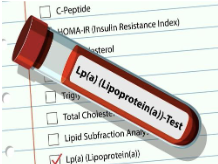
A blood test can tell you your Lp(a) level. However, a healthcare provider may need to make a special request for this test, as it is not part of a standard lipid panel that checks the kinds of cholesterol everyone talks about.
Why would a provider want to check my lipoprotein (a) level?
A provider may want to check your Lp(a) level if you already have other factors that put you at a high risk for heart disease. These factors may include:
How can I control Lp(a) risk ?
Lp(a) levels cannot be lowered by healthy eating and exercising alone. Lipoprotein apheresis is the only therapy approved by the Food and Drug Administration (FDA) for treating high Lp(a) levels, and it is currently only approved for people with FH who have LDL ≥100 mg/dL, Lp(a) ≥60 mg/dL, and coronary or other artery disease. Apheresis is a treatment—similar to dialysis—in which a machine removes Lp(a) and LDL cholesterol from the blood.
If you have high Lp(a) levels, you should take steps to lower your LDL cholesterol if it is elevated. Some studies suggest that medications called statins might raise Lp(a) levels, but statins are still recommended due to their proven effects in lowering LDL cholesterol and reducing the risk of heart attacks, strokes, and peripheral arterial disease. If you have FH, coronary artery disease, or peripheral arterial disease, your healthcare provider might also recommend a medication called a PCSK9 inhibitor to further lower your LDL level. While a healthy lifestyle will not lower Lp(a) levels directly, it does impact LDL levels and overall cardiovascular risk. Therefore, people with high Lp(a) should maintain a healthy weight, not smoke, choose healthy foods and drinks, and get regular physical activity. Managing conditions such as diabetes and high blood pressure is also critically important for people with high Lp(a).
Advancement and developments (Clinical Research on Lp(a) :
Clinical research studies are currently being conducted to better understand Lp(a) and to evaluate investigational approaches aimed at lowering Lp(a) levels.
These investigational therapies are not yet approved for general use. Their safety and effectiveness are still being studied.
Clinical Trial Participation
Participation in a clinical research study is voluntary. Individuals who qualify may be invited to take part in research that could include:
Participation may involve potential risks, inconveniences, or side effects, which will be explained during the informed consent process.
There is no guarantee of direct medical benefit from participating in a clinical trial.
Who May Be Eligible?
Eligibility criteria vary by study but may include individuals who:
A research team will determine eligibility through a screening process.
Considering Participation
If you are interested in learning more about clinical research studies related to Lp(a), you may contact a research site for additional information.
Speaking with your healthcare provider before making any decisions about participation is recommended.
Important Information
Contact for More Information
To learn more about ongoing research studies related to Lp(a), please contact us below:
Email: research@swmedicalgroup.com
Phone: (469) 893 - 1242
Website: www.southwestclinicalresearch.com
References :
To Learn more about Lp(a)